Solar Well Pump Systems: Are They Right for Nevada Homes?
If you live in Nevada and rely on a well for your water supply, you’ve probably watched your electricity bill climb every time that pump kicks on. Do you wonder if there’s a better way that doesn’t leave you with high utility bills?
Well, the answer is – yes, there is a better option that is both free and easily accessible: solar energy.
Nevada gets more than 250 sunny days a year. That’s a lot of free energy hitting your roof every day. So why are you still paying to pump water?
A solar well pump can pull water from underground without drawing a single watt from the grid. For Nevada homeowners, a solar well pump is a practical solution that is already working for people across the state.
This blog will walk you through everything you need to know about solar-powered well pump Nevada systems. By the end, you should have a clear picture of whether solar is the right option for your home.
| Need Solar Pump System Installation? CALL 775-851-1600 TODAY |
What Is a Solar Well Pump and How Does It Work?
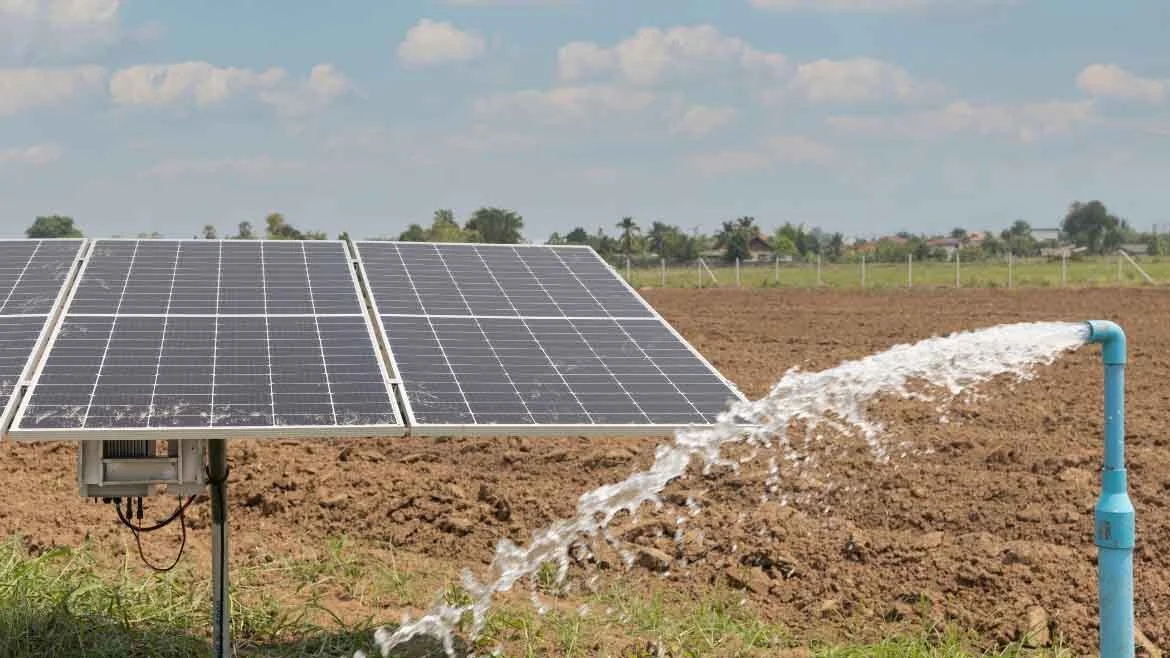
A solar well pump is precisely what it sounds like: a well pump powered by solar energy instead of electricity from the grid. The system uses photovoltaic (PV) panels to capture sunlight and convert it into electricity. And this powers a pump to bring water up from your well.
The basic parts are –
- Solar panels to capture sunlight and generate DC electricity.
- A pump controller to regulate the flow of electricity to the pump.
- The pump itself: a jet pump for shallow wells or a submersible pump for much deeper wells.
- Optional batteries for energy storage at night or on cloudy days.
- Optional generator backup for low-sunlight days.
The pump provides water to a storage tank or directly into the home’s plumbing, functioning like a conventional pump, but with solar energy as the main power source.
Some solar pumps function on DC power from the panels. Others use an inverter to convert DC to AC power. However, most modern systems are hybrid designs that run on solar during the day and switch to generator or grid power as required.
For Nevada homeowners, this hybrid flexibility is important. You get the cost savings of solar with the peace of mind of a backup power source during cloudy days.
Why Nevada Is Best for Solar Well Pumps
Nevada is one of the sunniest states in the country, with over 250 sunny days per year. So, you will have enough power to run your well pump for most of the year.
- Sunshine Unlimited: The high desert climate means fewer cloudy days and more consistent sunlight throughout the year.
- High electricity costs: Running a traditional well pump, especially a submersible pump for a deep well, utilizes 1,200 watts or more. In Nevada, even rural wells can cost $50 to $150 per month in electricity alone. So, solar is the best solution.
- Remote properties: Most Nevada homes are in rural areas, away from power lines. Extending grid access to a remote well is expensive. But solar pumps eliminate the need for any costly infrastructure.
- Water independence: Nevada’s grid is vulnerable during extreme weather, and power outages are not convenient, especially when they leave you without water. With a solar well pump, you don’t have to worry about these issues.
- Property tax exemptions: Nevada has property tax exemptions for renewable energy systems, including solar equipment used for water pumping. So, installing a solar well pump may not increase your property tax burden.
How Solar Well Pumps Compare to Traditional Electric Pumps
If you are still confused, you can take a look at this table –
| Factor | Solar Well Pump | Traditional Electric Pump |
| Upfront Cost | $2,000 to $8,000+ | $800 to $2,500 |
| Monthly Energy Cost | $0 | $50 to $150+ |
| 5-Year Energy Cost | $0 | $2,700+ (at 4 hrs/day) |
| 10-Year Energy Cost | $0 | $5,400+ |
| Maintenance | Minimal | More frequent |
| Grid Reliance | None (with battery backup) | Complete |
| Lifespan | 10 to 15+ years | 8 to 12 years |
| Environmental Impact | Zero emissions | Depends on grid source |
The numbers tell a clear story. Yes, a solar-powered well pump in Nevada costs more upfront. But over time, the savings on electricity can become more than the initial investment.
What Are the Pros and Cons of Solar Well Pumps?
Well, here’s what you need to know –
| Category | Pros | Cons |
| Costs & Savings | No Monthly Energy Bills: Sun provides free power once installed.
Long-Term Savings |
Higher Upfront Cost: Total expenses: $2,000 to $8,000 vs. $800 to $2,500 for traditional pumps.
More Battery Costs |
| Reliability & Power | Energy Independence | Weather Dependency
Depth Limitations: Deeper wells of 400+ ft require more powerful and expensive setups. |
| Maintenance and Setup | Low Maintenance | Complex Installation |
| Environmental | No Carbon Footprint | N/A |
What Does a Solar Well Pump Cost in Nevada?
The cost of a solar-powered well pump system in Nevada depends on several factors like –
| System Type | Cost Range | Details |
| Pump Only | $900 – $4,500 | Average cost is $2,000 approx |
| Complete System | $2,000 – $8,000 | Solar panels + pump + controller. |
| Solar Panels | $200 – $1,800 | Depends on the number and wattage of the panels needed. |
| Battery Storage | $1,000 – $5,000+ | Differs by capacity. You’ll need to run the pump at night. |
Cost As Per the Well Depth
| Well Depth | Approximate Cost |
| 0-150 feet | $1,200 – $2,000 |
| 150-300 feet | $2,500 – $3,000 |
| 300-400+ feet | $3,500 – $10,000 |
Installation: Labor costs can change according to location and complexity of the task.
The Solar Investment Tax Credit (ITC) covers up to 26% of the total cost of a solar pump system, and Nevada offers property tax exemptions for renewable energy systems. These incentives help reduce your upfront investment considerably.
A solar well pump costs more upfront than a traditional pump. But when you save $50 to $150 on electricity every month for as long as the system is running, the math starts to look very different.
| Start saving with solar well pumps, Call Now! |
Choosing the Right Solar Well Pump for Your Nevada Home
The following are the main factors to consider when you’re selecting the right solar pump –
- Well depth: This is the most important factor. Shallow wells (under 25 feet) can use jet pumps. But deeper wells require submersible pumps. Most Nevada household wells are between 100 and 300 feet deep. So, you need to make sure you know the depth of your well before you make your choice.
- Flow rate (GPM): Most houses use between 8 and 12 gallons per minute. A rule of thumb is to add one GPM for every water fixture in your home. If you have two bathrooms, a kitchen, and a laundry room, then you are looking at 8-10 GPM.
- Daily water usage: The average household utilizes about 100-200 gallons per person per day. You need to calculate how many solar panels you will need and if a storage tank is required.
- Sunlight availability: Nevada gets plenty of sun, but your specific property location also matters. Are there trees and buildings that cast shade on your panels? Or do you enjoy a south-facing location with good sun exposure? The more direct sunlight your panels receive, the more efficiently your solar well pump can operate.
- Backup power needs: Do you want to pump water at night or on cloudy days? If so, you should also factor batteries or a generator into your budget. In such cases, many homeowners choose hybrid systems that can switch to generator power when needed.
- The budget: Calculate your initial expenses carefully. You need to keep in mind that incentives and long-term savings can make even the most expensive system more affordable over time.
- Professional inspection: A qualified well pump professional can inspect your specific situation, recommend the right equipment, and ensure proper installation solutions.
How Long Do Solar Well Pumps Last and How Much Maintenance is Required?
One of the main advantages of solar-powered well pumps in Nevada is their long lifespan and low maintenance requirements.
Lifespan: Solar pumps last 10 to 15 years or more with minimal maintenance. The solar panels can last 25 years or longer. Compare that to traditional electric pumps, which need replacement every 8 to 12 years.
Maintenance requirements: Solar pumps have fewer moving parts as compared to traditional pumps and don’t depend on complex electrical systems. Here’s how you should maintain your solar-powered well pump in Nevada –
- Keep solar panels clean: In Nevada’s dry climate, panels can get dusty, especially during high winds or dry spells. A quick rinse with water a few times a year is sufficient.
- Check connections: Inspect wiring and connections regularly to make sure nothing has come loose or been damaged.
- Monitor performance: If your pump starts running longer than usual or your water pressure drops, it might be a sign that something needs repair.
- Battery maintenance (if applicable): If you have battery storage, follow the manufacturer’s recommendations for maintenance and replacement.
The bottom line: Solar well pumps are built to last with very little maintenance. Once your system is installed and working properly, you can expect years of reliable, trouble-free operation.
Quick Questions From Our Clients
1. How to calculate the return on investment (ROI) for a solar well pump?
The ROI depends on your well depth, current electricity costs, installation costs, daily water usage, system size, and available tax incentives. Nevada homeowners with high electricity bills or off-grid properties usually see the fastest payback because solar well pumps reduce ongoing operating costs. You can also get a professional assessment for a more accurate estimate according to your property and water demand.
2. What are the mistakes homeowners generally make during solar well pump installation?
Some of the most commonly made mistakes include underestimating daily water usage, choosing the wrong pump size, installing solar panels in shaded areas, skipping backup power, and hiring inexperienced installers.
3. What permits are needed for installing a solar well pump in Nevada?
Permit requirements depend on factors like well depth, the county you live in, and whether you are adding new solar equipment to an existing water system. Some projects need electrical permits. But others need approval regarding well equipment or local building codes. A licensed installer can help ensure your project meets all applicable Nevada and local requirements.
4. Can I use my existing well with a solar well pump?
Mostly yes. If your well casing, plumbing, and water supply are in good condition, you might only need to replace the existing pump and add solar components. But in the case of older wells, additional upgrades might be required before converting to solar.
5. Can a solar well pump installation be financed?
Most homeowners choose financing to divide the upfront investment over time. Depending on your installer and lender, your financing options may include home improvement loans or solar financing programs, making it easier to start saving on electricity without paying the full cost upfront.
6. Can extreme Nevada heat affect solar well pump performance?
Solar-powered well pumps in Nevada perform well in the sunny climate of the region, although extremely high temperatures can slightly reduce the efficiency. But with proper system design, panel placement, and ventilation, it can help maintain reliable performance throughout the year.
Read More!
- Common Myths About Well Water You Shouldn’t Believe – Bruce Mackay
- Why Your Pump Cycles Too Often and How to Fix It
- Can a Power Surge Damage My Water Pump? – Bruce Mackay
- How Soil and Rock Conditions Affect Water Well Drilling
Final Thoughts
Now that you have made it this far, it means you are serious about understanding whether a solar-powered well pump in Nevada is the right move for your home. Here’s how to take the next step –
- Start with a professional assessment
- Get a quote
- Factor in incentives
- Consider your long-term plan
- Don’t wait until your pump fails
If you are still unsure, be sure to get in touch with a professional for an accurate assessment of your current energy needs. This way, you can avoid spending money unnecessarily on things you may not need.
| Ready for Solar Well Pump Installation? Contact Us Today! |
Reduce Your Energy Bills and Go Solar with Bruce MacKay Pump & Well Service
At Bruce MacKay Pump & Well Service, we’ve been assisting Nevada homeowners with their well pump needs for 45+ years. We understand the special challenges of Nevada’s terrain, climate, and water conditions. Our experts will explain the entire process, your options in plain language, and make sure you get a system that actually works for your home.
Call our BBB-accredited company today at 775-851-1600 or visit BruceMacKay.com to schedule a consultation. Our team will help you determine if solar is the right move for you. If it is, we will design and install a system that keeps your water flowing, your bills low, and your mind at ease.
Don’t let another sunny day go to waste. The sun is free, so your water shouldn’t have to cost a fortune.