How Soil and Rock Conditions Impact Water Well Drilling
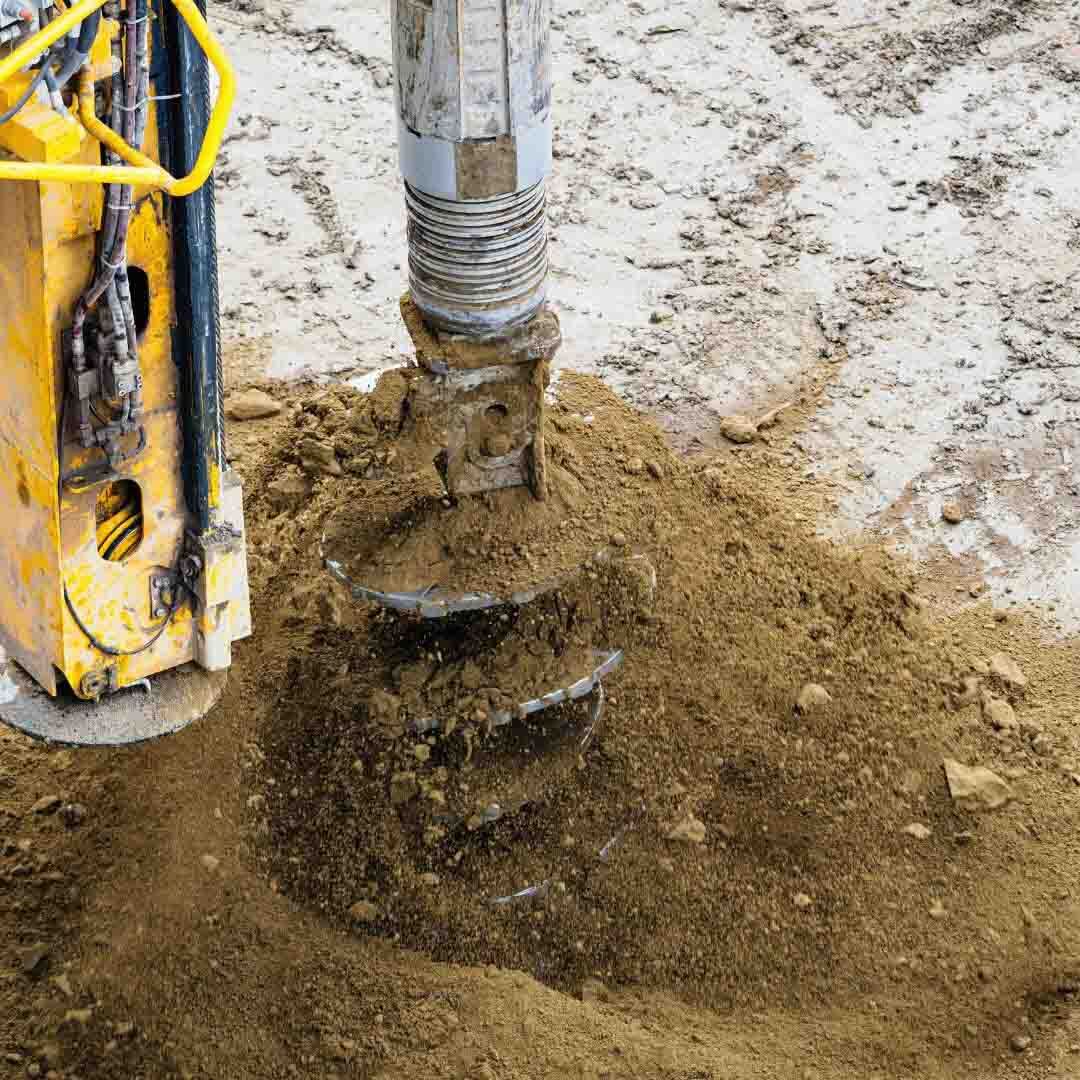
When you think about water well drilling, you usually imagine the drilling rig, the equipment, and the final moment when clean groundwater starts flowing. But one major factor that’s often not discussed much is the soil and rock conditions under your property.
They determine how fast your well is drilled, how deep it must go, what it costs, and even how well it performs for decades. So, if you’re planning water well drilling in Reno, understanding these ground conditions helps you make confident decisions and avoid costly surprises.
Why Soil and Ground Conditions Matter So Much in Water Well Drilling?
Every property has unique geology. Some have soft sandy layers, others have hard granite, and some may have unpredictable mixes of clay, gravel, and fractured rock. These differences change –
- How deep must the drilling rig go
- The type of drilling method required
- How stable will the well be
- The amount and quality of water you’ll get
- The final installation cost
Good drilling companies don’t guess. Experienced teams check local soil maps, past well records, and the area’s hydrogeology.
At Bruce MacKay Pump & Well Service, our water well drilling specialists have decades of hands-on experience, so we know what to expect when drilling in Reno and Northern Nevada.
| Need Water Well Drilling in Reno? Contact Us! |
How Do Different Soil and Rock Types Affect the Water Well Pump Drilling Process?
1. Sandy Soil
Sandy soil lets drilling happen quickly because it’s loose and easy for the drill to cut through. Sounds perfect, right? But you need to know a few more things about it.
- The well can collapse during drilling if not properly supported.
- Sand can enter the well water and cause pump wear.
- Extra casing and screens may be required.
How Bruce Mackay Handles It?
We use high-quality, well screens, pack the casing with gravel, and make sure the sand is filtered out before water reaches your pump.
2. Clayey Soil
Clay soils appear smooth and harmless, but they’re extremely sticky when wet and rock-hard when dry. That’s why you must be aware of the challenges involved with it.
- Slows down drilling
- Can clog drilling equipment
- Doesn’t allow water to move freely
Clay isn’t a good water-bearing material. Therefore, wells drilled in heavy clay areas often need to go deeper until they reach sand, gravel, or fractured rock where water actually flows.
3. Gravel and Cobbles
Gravel layers are excellent aquifers because water moves quickly through them. That means a higher water yield once the well is complete. However, gravel also poses a few challenges.
- Causes drill bits to bounce
- Can damage drilling tools
- Requires careful casing and filtering
This is where an experienced crew truly matters. Our experts know how to maintain stability and prevent the borehole from collapsing in loose gravel.
4. Hard Rock
Northern Nevada has a lot of volcanic rock formations, mainly in the Reno area.
What Are the Pros
- Rock wells are strong and durable
- They often reach deeper aquifers
- Water quality is usually excellent
What Are the Cons
- Much slower drilling
- Requires heavy-duty drill bits
- More time means slightly higher cost
If your property has fractured rock, you might actually get more water than expected because groundwater travels through small cracks and channels deep underground.
5. Mixed or Layered Ground
Many wells hit layers like sand, clay, gravel, hard rock, and soft rock. Because the conditions change every few feet, the drilling process needs constant adjustments. Our experienced drillers handle these transitions smoothly.
6. Loamy Soil
Loam is a mix of different forms of soil, including sand, silt, and clay, which makes it one of the best soils for well drilling when available. It’s stable, easy to work with, and naturally filters water.
Why Is It Important?
- Drilling is moderate and predictable
- Water yield is steady and balanced
- Very few water quality concerns
Loam supports cleaner water and offers long-term stability, making it an ideal soil type for property owners. Though it’s not as common in Reno, wherever present, it creates excellent well conditions.
| Soil / Rock Type | Drilling Difficulty | Water Yield | Water Quality Concerns | Long-Term Stability |
| Sand | Easy | High | Sediments may enter the well. It needs effective screening | Can shift over time, so requires strong casing |
| Clay | Hard | Low | Clogging, turbidity, and slow filtration | May need deeper drilling and more maintenance |
| Gravel / Cobbles | Hard to Moderate | High | Sediment and loose material; needs proper gravel packing | Good stability with correct casing |
| Rock / Bedrock | Very hard | Clean & steady | Minimal contamination; equipment wear possible | Excellent once drilled; long-lasting |
| Loam | Moderate | Balanced | Very few issues; naturally filters water | Highly stable; ideal conditions if available |
How Bruce MacKay Pump & Well Service Handles Reno Soil Conditions
Reno’s soil can be tricky. There are sandy areas, rocky spots, compacted clay, and layers that change within just a short distance. We take care of the soil type before starting with the well-drilling process.
| What We Do | How We Do |
| Test Holes | We drill small test holes first to check water and soil conditions. |
| Review Records | We look at local well logs, maps, and nearby well data to know what’s underground. |
| Right Equipment | With four drill rigs and ten pump trucks, we pick the best method. We use rotary for soft soil, cable tool for hard rock, and hybrid rigs for mixed conditions. |
People Often Ask These Questions About Water Well Drilling in Reno
➢ How do I know what type of soil is under my property?
You can check local well logs, soil maps, or simply ask a drilling company to evaluate your site. Bruce Mackay Pump & Well Service is your local expert in Reno, so we know what to expect based on location alone.
➢ Does rocky soil make drilling more expensive?
Yes, drilling through hard rock takes more time and requires specialized tools, which can increase cost slightly. However, it’s how you achieve durability and long-term water stability.
➢ Which soil type gives the best water supply in Reno?
Gravel and fractured rock usually offer the best water flow. Clay offers poor flow, and sandy soil needs extra filtration.
➢ How deep should my Reno well be?
Well depth depends on the water table, local soil, and keeping water safe from contamination. At Bruce MacKay Pump & Well Service, we use nearby well data and test drilling to recommend the safest, most reliable depth for your area.
Takeaway
Every successful well starts with understanding the ground beneath it. Soil and rock conditions shape everything from drilling speed to water quality. When you work with experienced water well pump drilling professionals, you get a durable, efficient well that serves you for decades.
Read More:
- What to Do If Your Well Test Fails: Next Steps & Solutions
- Arsenic Filtration – Why Water Quality Can Change Over Time
- Top Questions Homeowners Ask About Well Maintenance in the Fall
Ready to Drill a Reliable Well? Contact Bruce MacKay Pump & Well Service Today!
If you live in Reno and are looking for water well drilling specialists, Bruce Mackay Pump & Well Service is the best choice.
With around 45 years of experience in water well pump drilling, installation, and repair, we know how to provide safe, reliable, and long-lasting wells.
Our team offers full-service well solutions, from drilling new wells to deepening or cleaning existing ones, and we even handle abandoned wells.
With four drill rigs, ten pump trucks, and 24/7 emergency service, we’re ready to get your project done efficiently and professionally.
Contact us today for more details!